Suprasegmentals
Stress Markers
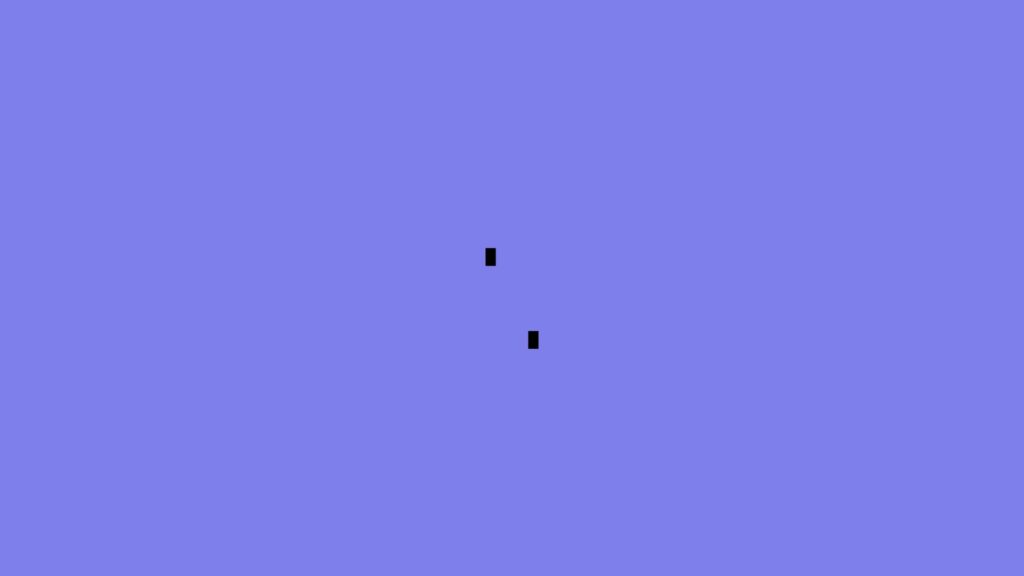
Primary stress: ˈ (raised vertical line) marks the stressed syllable. For example, the verb “present” is transcribed as /prɪˈzɛnt/, while the noun “present” as /ˈprɛzənt/.
Secondary stress: ˌ (lowered vertical line). You can use this symbol in words that have a secondary stressed syllable (e.g., “dictionary” is /ˈdɪkʃəˌnɛri/).
syllable Division marker

In the International Phonetic Alphabet (IPA), the dot (.) marks syllable boundaries. For example: The word “syllable” is transcribed as /ˈsɪl.ə.bəl/, where the dots separate each syllable.
Length
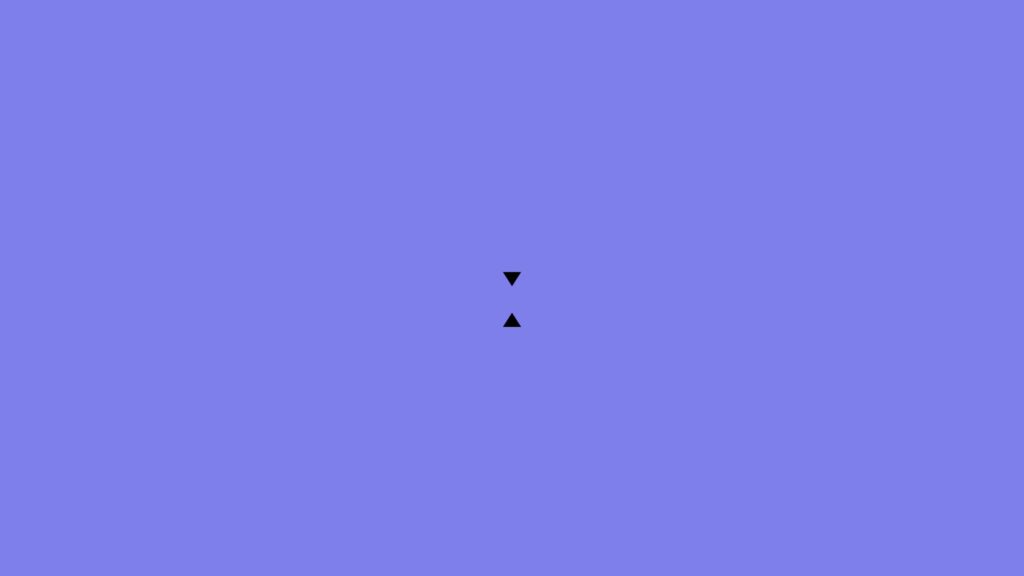
For example, the vowel sound in two is held longer and not pronounced quickly. In IPA, this lengthening is shown with the symbol ː. So two is transcribed as [tʰuː], not the shorter [tʰu].
Compare:
- knife [naɪf] vs knives [naɪːvz]
- bus [bʌs] vs buzz [bʌːz]
- white [waɪt] vs wide [waɪːd]
- seat [siˑt] vs seed [siːd]
- leaf [liˑf] vs leave [liːv]
- kit [kʰɪt̚] vs kid [kʰɪˑd]
Linking
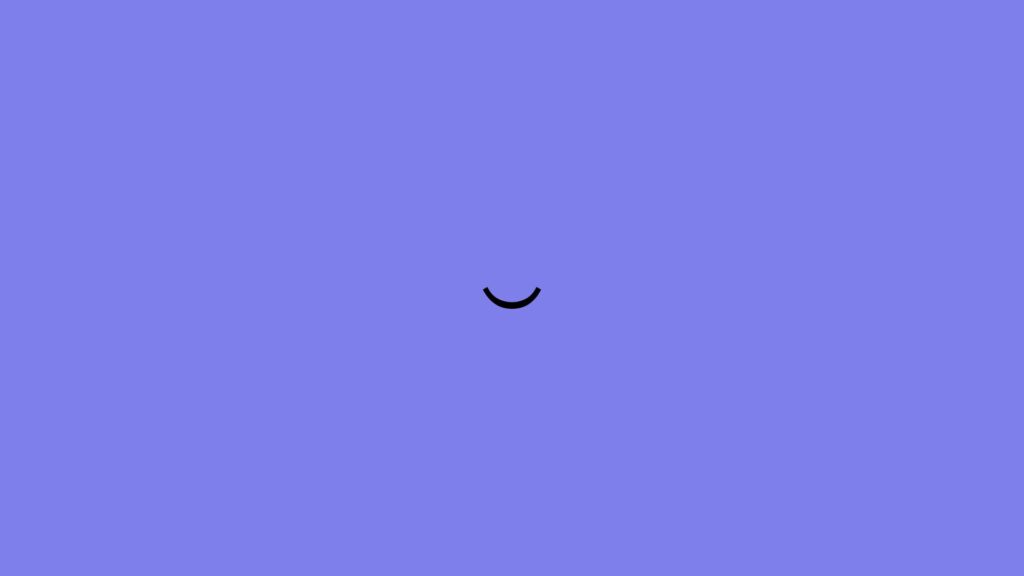
Linking mark for connected speech: ‿ (e.g., “far away” /fɑɹ‿əˈweɪ/).
Prosodic Unit
https://en.wikipedia.org/wiki/Prosodic_unit
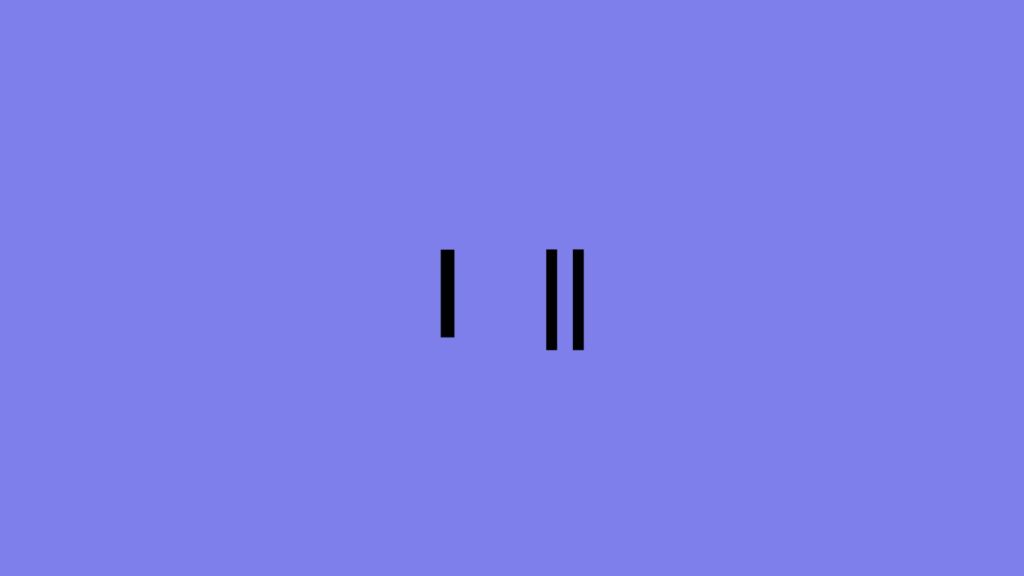
| or ‖: Minor and major intonation breaks, respectively.
Intonation
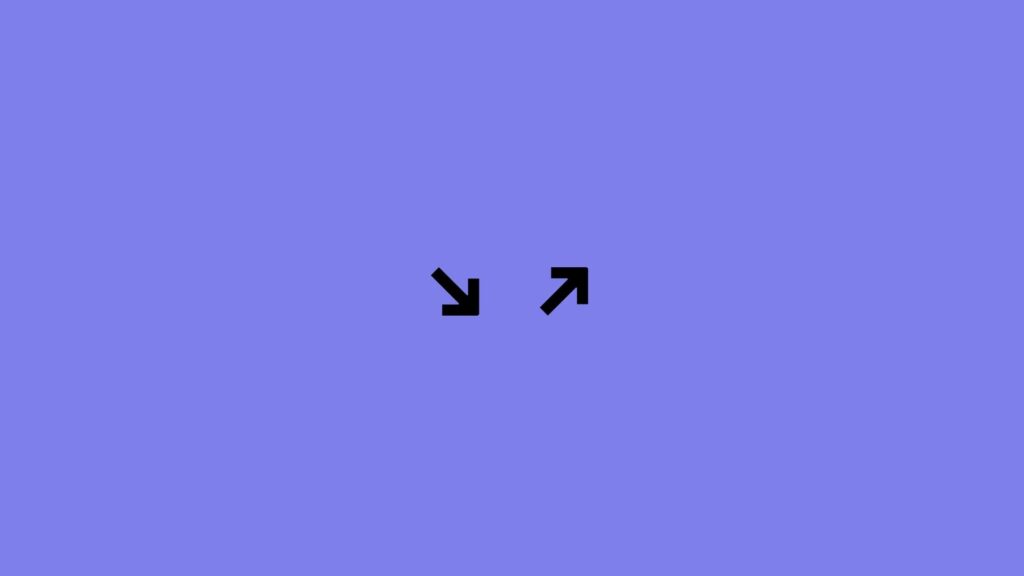
Global rise (↗): Used for yes/no questions.
Global fall (↘︎): Marks statements.
Diacritics
Syllabic Diacritic
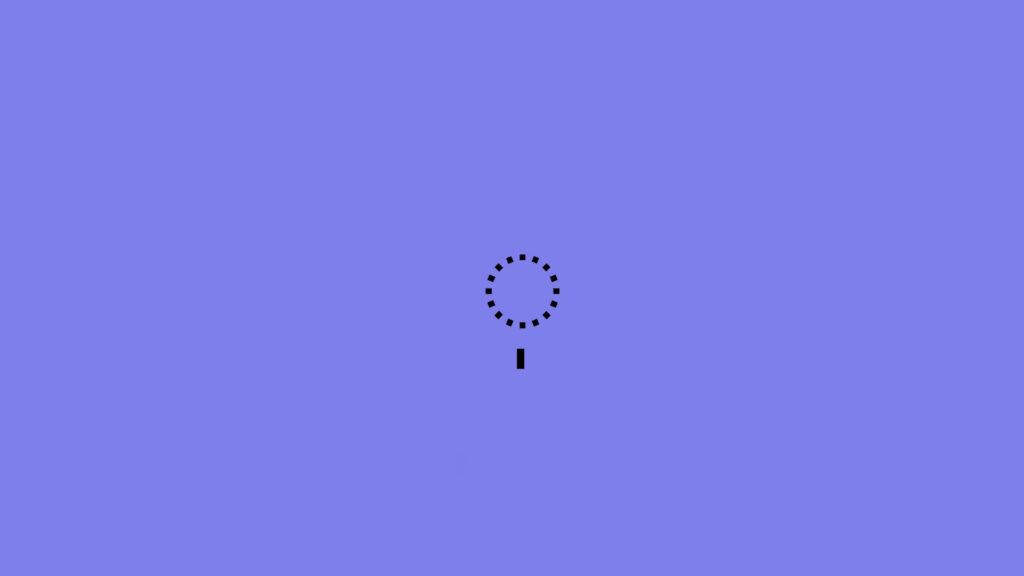
Syllabic /n/:
reason [ˈɹi.zn̩], prison [ˈpʰɹɪzn̩], person [ˈpʰɝsn̩], human [ˈhju.mn̩], lemon [ˈlɛm.n̩], London [ˈlʌndn̩], common [ˈkʰɑmn̩], German [ˈdʒɝmn̩], horizon [həˈraɪzn̩], season [ˈsiːzn̩],
Syllabic /m/:
Christianism [ˈkɹɪʃ.tʃən.ɪz.m̩], parallelism [ˈpʰɛɹəlɛlɪzm̩], bottom [ˈbɑt̬m̩], rhythm [ˈɹɪðm̩], system [ˈsɪstm̩],
Syllabic /l/:
middle [ˈmɪdl̩], sandal [ˈsæn.dl̩], little [ˈlɪt̬l̩], bottle [ˈbɑt̬l̩], people [ˈpʰiːp̚.l̩], animal [ˈænɪml̩], trouble [ˈtʃɹʌbl̩], travel [ˈtʃɹæv.l̩], evil [ˈivl̩], symbol [ˈsɪmbl̩], able [ˈeɪbl̩], vehicle [ˈviːəkl̩], pencil [ˈpʰɛnsl̩],